
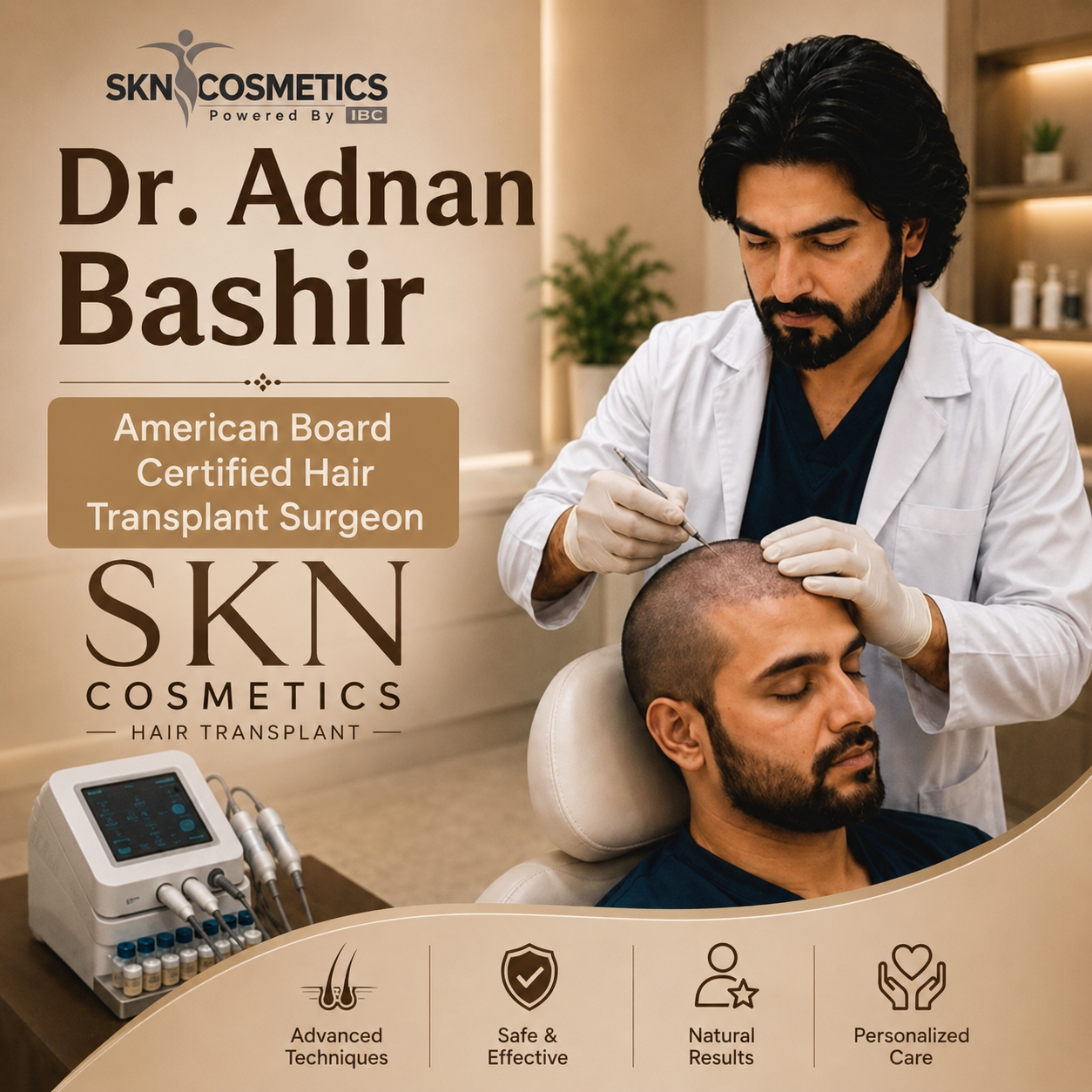
Hair Restoration Surgery works wonders by addressing the issues related to the hair. If you are looking for a solution to achieve voluminous hair or get rid of the bald patches, then a hair transplant in Islamabad turns out to be the solution. Dive into the transformative realm where innovation meets confidence & get ready to acquire thatchy hair.
Why let the bald patches define you when advanced hair restoration procedures are within easy reach? Schedule your visit now at SKN Cosmetics, which is located on the 3rd Floor, Ammar Centre, Islamabad, near the Safa Gold Mall. Worried about commuting issues? Don’t worry about the extended travel time, as we are located at an easily reachable position, which is a 2-3 minute walk from Jinnah Super Market.
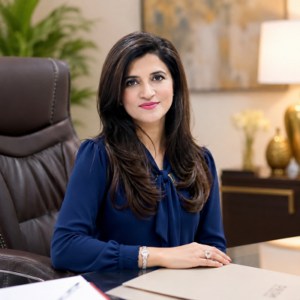
Meet Dr. Adnan Bashir – ABHRS-Certified Hair Restoration Surgeon
| Reviewed and approved by Dr. Adnan Bashir for medical accuracy, this content is designed to support safe and informed hair transplant decisions. |


Why Choose Dr. Adnan Bashir for Hair Transplant?
Dr. Adnan Bashir is one of the leading cosmetic surgeons in Islamabad who is currently working at SKN Cosmetics. If you are seeking hair restoration, then we are always your best choice because we assure you of the following:
| Qualification: Dr. Adnan Bashir has completed his MBBS from a prestigious institution named Foundation University Medical College, Islamabad | Experience: He possesses over 15 years of experience in dealing with hair restorative procedures |
| Speciality: He has been performing a wide range of hair transplants & other cosmetic procedures | Trust: His track record of conducting more than 1000 hair transplants successfully makes him the best choice for those who are seeking voluminous hair |
Concise Details!
- Cost: 89,999 PKR – 349,999 PKR
- Durability: Lasts for a lifetime
- Procedure Time: 4 – 8 hours are required
- Procedure Type: Invasive | Minimally invasive
- Results: Visible within 9 – 12 months
- Anesthesia: Local | General
- Downtime: A downtime of 7 – 10 days is required
Understanding Hair Loss
Hair loss is one of the most common conditions that may occur due to various factors such as genetics or medical conditions. It entails different issues related to hair loss, such as androgenetic alopecia, which develops gradually when hair follicles shrink over time, often leading to thinning of hair & hair loss
Can a hair transplant stop future hair loss?
After undergoing the Hair Restoration Therapy, one may be able to restore hair growth in the areas that have been treated. However, Hair Regrowth Therapy may not be responsible for preventing future hair loss from the surrounding areas that possess non-transplanted hair
What is Hair Transplant Surgery?
Hair transplant surgery is an advanced hair restorative procedure that is introduced for the restoration of hair loss that has stopped growing. Advanced Hair Regeneration entails a wide range of hair transplants under the umbrella of hair restoration. Robotic Hair Transplant Islamabad may assist you in turning your hair into a voluminous & thatchy one
During the consultation, Dr Adnan Bashir conducts a thorough examination & devises the personalized treatment plan for each case as per the aesthetic goals of each individual.
Common Causes of Hair Loss and Thinning Hair
The root causes that may lead to hair loss are:
- Stress
- PCOS
- Thyroid
- Pregnancy
- Chemotherapy
- Scalp infections
- Pattern baldness
- Nutrients deficiency
- Autoimmune diseases
- Use of harsh chemical products
- Frequent use of hair stylers
How Does Hair Restoration Surgery Rebuild Natural Hair Growth?
Hair restoration surgery is a permanent Hair Regrowth Solution for those who are seeking hair growth. It works best by harvesting the extracted grafts into the recipient site, which is affected by hair loss or thinning. The donor follicles work magic by stimulating hair growth once they are transplanted into the recipient site, as they are genetically resistant to dihydrotestosterone (DHT). Dihydrotestosterone is a hormone that leads to pattern hair loss
Which Areas Can Be Restored with Hair Transplant Surgery?
The areas that can be restored with hair transplant surgery are:
- Crown
- Beard
- Temples
- Mid-scalp
- Eyebrows
- Frontal scalp
- Scalp Hairline
Our hair transplant surgeon believes that Hair transplant in Islamabad works wonders by stimulating hair growth, attaining thicker and more voluminous hair.
How Does a Hair Transplant Benefit You?
The Frontal Hairline Restoration may assist you in attaining various benefits that include:
- Restoration of lost hair growth
- Suitable for both men & women
- Leaves no chances of linear scars
- Restores hair growth in different areas
- Leaves you with permanent hair growth
- An improvement in hair density is observed
- Enhances the physical appeal of an individual
- Enables you to create a natural-looking hairline
- Boosts self-confidence & feeling of self-assurance
- Requires low maintenance as compared to the non-surgical procedures
Who Is an Ideal Candidate for a Hair Transplant?
You are an ideal candidate for the Robotic Hair Transplant if you are struggling with certain issues:
- Possessing sound physical health
- Frustrated due to the receding hairline
- Seeking a long-term solution to hair loss
- Noticing small bald patches in different areas
- Struggling with hair thinning or alopecia areata
- Having realistic expectations from the treatment
- Experiencing hair loss due to the surgical scars
- Looking for a solution to restore the thatchy hair
Who Should Avoid Hair Transplant Surgery?
One should not go for Regenerative Hair Therapy if they fit the criteria below:
- Struggling with active hair loss
- Not having sufficient donor hair
- Having a blood-thinning disorder
- Going through radiation therapy
- Being a pregnant or breastfeeding mother
- Suffering from inflammatory scalp diseases
- Having an autoimmune disease that leads to patchy hair loss
How Much Does Hair Transplant Cost in Islamabad?
The Hair Transplant Cost in Pakistan ranges between 89,999 PKR to 349,999 PKR. The Hair Restoration Cost in Islamabad mentioned here may not always remain the same & might experience a deviation in the cost plan upon the intervention of multiple aspects, thus leading to a fluctuation in the pricing
Technique-Wise Hair Transplant Cost in Islamabad:
Here is a breakdown of Hair Restoration Cost as per the techniques of hair restoration:
| Procedure type | Duration | Cost (PKR) |
| Follicular Unit Extraction (FUE) | 4 – 8 hours | 99,999 PKR to 110,999 PKR |
| Robotic Hair Transplant | 4 – 8 hours | 149,99000 PKR to 399,999 PKR |
| Beard Hair Transplant | 6 –10 hours | 79,999 to 124,999 PKR |
| Moustache Hair Transplant | 2 – 4 hours | 29,999 to 79,999 PKR |
| Eyebrow Hair Transplant | 3 – 5 hours | 44,999 PKR to 134,999 PKR |
| Body Hair Transplant | 8 –10 hours | Begins from 3999 PKR. |
| Female Hair Transplant | 6 – 9 hours | 64,999 PKR to 299,999 PKR |
Cost Breakdown of Hair Transplant Cost Per Graft:
Here is a detailed breakdown of Hair transplant cost Islamabad as per grafts to be utilized for carrying out the procedure;
| Grafts Required | Approximate Cost (PKR) |
| 500 – 1,000 grafts | 65,999 PKR – 75,999 PKR |
| 1,000 – 2,000 grafts | 75,999 PKR – 110,999 PKR |
| 2,000 – 3,000 grafts | 110,999 PKR – 159,999 PKR |
| 3,000 – 4,000+ grafts | 159,999 PKR – 179,999 PKR |
What Influences Hair Transplant Pricing?
- Number of grafts
- Technologies & tools
- Type of approach
- Aftercare services
- Consultation
- Frequency of meeting
How has a hair transplant changed your life?
Hair Restoration Surgery works effectively for restoration of hair loss. One may be able to attain a natural hairline and improve hair density by undergoing advanced hair loss procedures. Natural Hairline Restoration may also enhance the quality of life by increasing confidence and altering the self-image of an individual
Things to Consider Before Having Hair Transplant Surgery
The things that you might have to do before undergoing the hair transplant are:
| What are the recommended practices? | Which things are to avoid? |
|
|
Choosing the Best Donor Area for Hair Restoration
Choosing the donor areas is one of the most important factors that can aid in successfully performing Full Scalp Hair Restoration. Usually, donor hair is extracted from areas with healthy hair follicles & then transplanted into areas experiencing hair loss. The most common areas for extracting the donor hair may include:
- Chest or body hair
- Beard hair
- Back of the scalp
- Sides of the head
Hair Transplant Techniques Available in Islamabad
Here is an overview of the different techniques of Minimally Invasive Hair Transplant that are offered to deal with the issues related to hair loss:
Robotic Hair Transplant:
- Ideal for hair restoration at the scalp
- Effective for cases of hair loss to a greater extent
- Carried out by utilising robotic systems for implanting the hair follicles
- The use of the robotic systems ensures the placement of the follicles with complete precision
- Requires 4 – 8 hours for completion of transplant
- 1 – 2 sessions are required to attain the optimal outcomes
Follicular Unit Extraction (FUE):
- Ideal for the receding hairline & hair loss at the scalp
- FUE Hair Transplant is carried out by extracting the hair follicles from the donor site & then transplanting them into the recipient site
- Requires 4 – 8 hours for completion of advanced FUE Hair Restoration
- 1 – 2 sittings are required to attain the optimal outcomes
GFC Hair Treatment:
- Ideal for cases who are struggling with hair thinning
- Most often, it is considered a touch-up session after GFC hair transplantation
- Carried out by administering platelet-rich growth factors, thus stimulating hair growth
- Requires 1 – 2 hours for completion of procedure
- Multiple sittings are needed to attain the optimal outcomes
- Touch-up session is often recommended after 3 – 6 months
Moustache Hair Transplant:
- Ideal for hair loss in the moustache or upper lip area
- Requires 2 – 4 hours for completion of procedure
- Carried out by extracting the hair follicles & then implanting them into the moustache area
- 1 session is required to attain the optimal outcomes
Beard Hair Transplant:
- Ideal for bald patterns in the beard area
- Carried out by extracting the hair follicles from the donor site & then transplanting them into the recipient site
- Requires 6 –10 hours for completion of procedure
- 1 session is required to attain the optimal outcomes
Eyebrow Hair Transplant:
- Eyebrow Hair Transplant is usually opted for those who are experiencing hair loss at eyebrows
- Carried out by transplanting the hair follicles in the eyebrow area once extracted from the donor site
- Requires 3 – 5 hours for completion of procedure
Finding the Right Hair Transplant Procedure for Your Needs
To find one of the suitable hair restoration surgeries, the trichologist focuses on several aspects that include:
- Scalp health
- Number of grafts
- Extent of hair loss
- Expected outcomes
- Pattern of hair loss
- Expected hairline design
- History of hair transplant
- Quality & density of donor hair
Post-Hair Transplant Care | How to Protect Your New Hair Grafts?
The post-care instructions that one may need to follow after undergoing the advanced FUE Hair Restoration are:
- Do not use hair sprays
- Desist from using hair styling products
- For some time, do not apply hair dyes
- Do not pick the scabs. Let them fall off naturally
- Desist from touching, scratching, or rubbing the site
- Keep your head elevated while sleeping
- Desist from indulging in a strenuous exercise routine
- Do not miss out on any of the follow-up sessions
- If an allergic reaction is noticed, let the professional know immediately
- To avoid direct exposure to the sun’s rays, wear a cap before going out
Potential Side Effects of Hair Transplant Surgery
The potential side effects of the Hair Transplant Pakistan are:
Common side effects:
- Tenderness
- Minor bleeding
- Itching or bruising
- Swelling or Redness
- Tightness of the scalp
- Mild pain or discomfort
- Scabbing & crust formation
- Temporary numbness or tingling
- Temporary shedding of transplanted hair (shock loss)
Rare complications:
The rare side effects may include
- Folliculitis
- Skin necrosis
- Low hair density
- Poor graft survival
- Excessive bleeding
- Pigment changes
- Delayed wound healing
- Infection & widened scarring
- Permanent numbness due to nerve injury
Hair transplant turns out to be the most effective solution for those who are seeking hair growth, especially when it is performed by a highly certified hair transplant surgeon. Dr. Adnan believes that these complications can be avoided by adhering to the post-care instructions, attending regular follow-ups for monitoring the progress, and choosing the most experienced and highly certified professional. Remember that these side effects do not last for a long time and subside within no time.
How long is the recovery time needed for a hair transplant?
The recovery time of a FUE hair transplant may vary from case to case based on the healing capacity of each individual. Most patients may require a downtime of 4 – 7 days after the transplant. The recipient may require at least 7 – 14 days for recovery. The initial outcomes may become visible within 3 – 4 months. However, the complete outcomes may require at least 12 – 18 months to become visible
Recovery Timeline | What to Expect During Recovery?
Below is the Hair transplant growth timeline:
Day 1 – 3:
- One may experience redness to a milder extent
- The recipient might experience scabbing & swelling after transplant
- One may notice the formation of tiny crusts around the grafts
- Keep your head elevated while sleeping
- Do not touch or wash the treatment site
Day 4 – 7:
- The flaking begins
- One may experience a reduction in swelling
- The recipient might return to their daily life activities
- Do not engage in a strenuous exercise routine
- Use a gentle shampoo for washing hair
- One may experience itching. But make sure to avoid scratching
Week 2 – 3:
- The hair shedding begins
- The new strands begin to regrow.
- Transplanted hairs may begin to fall.
- The recipient might notice redness in the recipient site
- One may begin to witness a significant reduction in the discomfort
Months 1 – 3:
- The recipient may observe tingling or itching to a minor extent at the site
- The scalp may begin to feel normal
- The recipient may witness visible growth at a mild level
Months 3 – 6:
- The new hair begins to grow
- One may experience itching
Months 6 – 9:
- A visible growth of hair is seen
- The hair becomes denser & strengthened
- The natural hairline begins to form
Months 9 – 12:
- The hair becomes thicker & denser
- The new hair begins to blend with the hair that already exists
When Will the Results of Hair Restoration Surgery Be Visible?
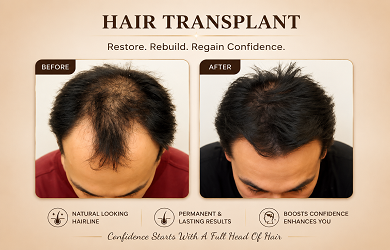
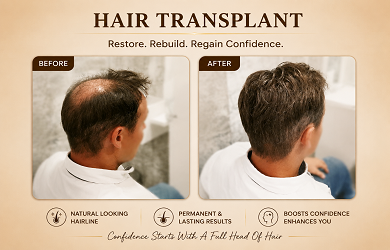
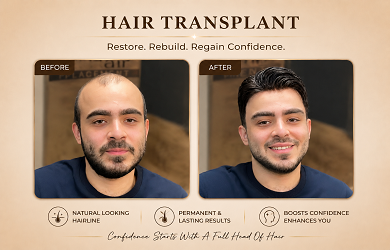
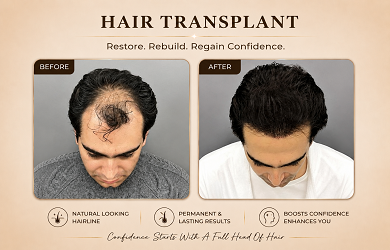
By undergoing the hair restorative techniques, one may be able to achieve the hair growth that was lost years ago. The initial outcomes of the Male Pattern Baldness Treatment may become visible within 3 to 6 months. However, the complete display of the outcomes may require at least 10- 12 months after the Hair Loss Treatment Islamabad.
Which Factors Influence Hair Growth After Surgery?
The aspects that might influence hair growth after surgery are:
- Experience of the surgeon
- Type of hair transplant
- Quality of the donor hair
- Quality of grafts
- Post-operative care
- Natural hair growth cycle
Recommended Hair Graft Count by Level of Hair Loss:
Here is an overview of the recommended hair grafts that are required for natural density:
| Extent of hair loss | Number of Grafts | Frequency of Meeting |
| Hair loss at medium extent | 1000 – 2000 grafts are needed | 1 sitting |
| Hair loss at moderate extent | 2000 – 4000 grafts are needed | 1 – 2 sittings |
| Hair loss at severe extent | 4000+ grafts are needed | 2 – 3 sittings with a gap of 6 – 12 months |
What Hair Transplant Can Realistically Achieve?
Here is a table illustrating realistic results that a hair transplant can achieve:
| What can a hair transplant do? |
|
| What a hair transplant can not do? |
|
Why Choose SKN Cosmetics for Hair Transplant in Islamabad?
- Hair Transplant in Islamabad is conducted by Dr. Adnan Bashir, holding an MBBS degree from Foundation University Medical College, Islamabad.
- He possesses over 15 years of experience in the field of hair transplantation.
- We assure you to perform the surgical & non-surgical hair restorative treatments that are FDA-approved.
- He is a UK CPD-certified trainer who has acquired the Qualifi Level 5 and Level 7 awards in Aesthetic Medicine Training.
- We offer advanced hair replacement procedures at quite affordable pricing, making them available for every individual without worrying about the hefty price tags ranging from 14,999 PKR to 399,999 PKR.
- The professionals in our team work by devising a treatment plan that is tailored according to the concerns & complications of each case.
- Aftercare services are provided to each recipient throughout the recuperation time, which lasts for 10 – 15 days.
- We assure you of providing remarkable outcomes that last for a long time, if maintained.
3rd Floor, Ammar Centre, Jinnah Super Market, F-7 Markaz, Islamabad
How to Choose the Best Hair Transplant Clinic in Islamabad?
Confused while making the right choice about a clinic? Then do not worry. All you need to do is focus on certain aspects that include:
| Testimonials | Accreditation | Credentials & expertise of the surgeon |
Hair Restoration Journeys That Inspire Confidence
Alina Yousaf: “I had a receding hairline for years. By undergoing the hair transplant, the results exceeded my expectations. My journey from consultation to recovery was smooth & professional”
Ali Irfan: “I feel more confident in my professional life after going for the hair transplant. Dr. Adnan Bashir was quite supportive throughout the journey towards hair restoration”
Samra Yousafzai: “The surgeon and staff were supportive throughout my journey. The recovery was easier than I expected.”
Non-Surgical Alternatives to Hair Transplant
The best alternatives to hair transplant surgery are:
| PRP (Platelet-Rich Plasma) | Scalp Micropigmentation (SMP) | Exosomes Therapy |
|
|
|
Why Choosing an Experienced Hair Transplant Surgeon Matters?
Have you been thinking about why the experience of the board-certified hair restoration surgeon matters? Then here is the answer to it. The lasting & natural-looking outcomes can only be ensured if a highly experienced surgeon performs it. A surgeon with a proven track record of successfully performing hair transplant procedures combines extensive experience with technical precision to create a personalised treatment plan tailored to each patient’s anatomy and aesthetic goals
Can Women Get Hair Transplant Surgery?
Yes, a woman can also get a hair transplant if she is struggling with hair thinning, pattern baldness, or any other issues related to hair
In a nutshell, the hair transplant is considered an effective solution, especially for those individuals who are seeking stimulation of hair regrowth. It may assist in enhancing the hair density and attaining a fuller scalp. Although the hair restorative procedure may offer you precise and natural-looking outcomes, it may leave you with common complications including redness, swelling, shedding, and scabbing throughout the recovery period. By choosing the experience hair transplant expert before going for the hair restoration procedure, such complications can be minimised.
Schedule the Booking With Dr. Adnan Bashir
Seeking an advanced hair restoration procedure to restore hair growth? Then schedule a consultation with one of the best trichologists at SKN Cosmetics to undergo a hair transplant in Islamabad, Rawalpindi & Pakistan.
Every successful treatment is guided by the clinical assessment and personalized planning of Dr. Adnan Bashir so that natural outcomes can be achieved.
FAQs
Related Posts

How Does a Hair Transplant Compare to Hair Loss Treatments
Read Blog

Book your Appointment