Is it possible for a root canal to become infected?

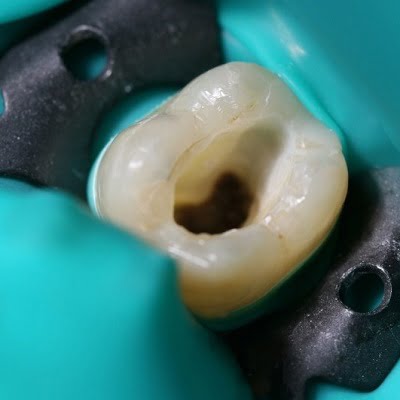
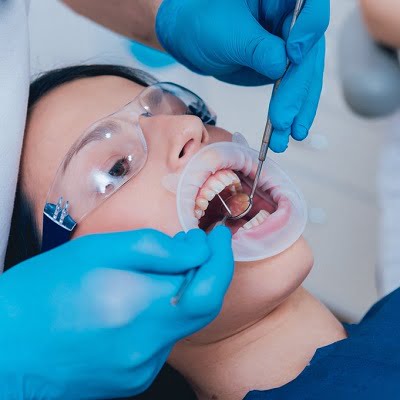
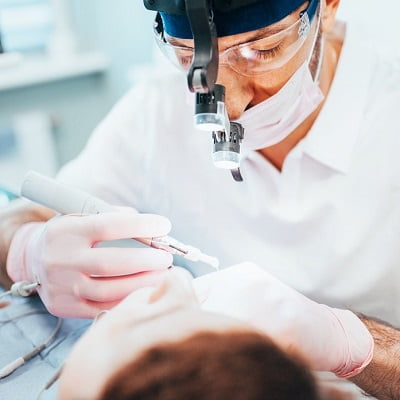
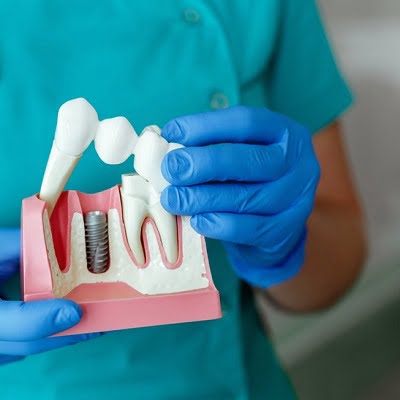
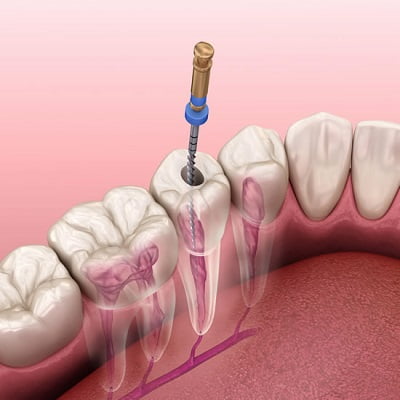
Root canal treatment in Islamabad, or endodontic treatment, is designed to save and preserve a severely damaged or infected tooth. While root canals are generally successful in eliminating infection and providing relief from pain, there is still a common misconception that a root canal can become infected.

In this blog, we will explore the intricacies of root canals, their success rates, reasons for potential infections, and the steps to prevent them. By the end, you’ll have a clearer understanding of whether a root canal can become infected.

Root Canals and Infection: A Common Misconception

One of the most common misconceptions about root canals is that they can become infected. In reality, the procedure is designed to eliminate tooth infection, not cause it. When done correctly, a root canal has a high success rate, often exceeding 95%. However, there are instances where infection or reinfection can occur. Let’s delve into these scenarios.

Reasons for Infection After a Root Canal:

  • Incomplete Cleaning: In some cases, the cleaning and shaping of the root canals may not remove all infected tissue or bacteria. This can lead to a persistent or recurring infection.
  • Undetected Accessory Canals: Teeth can have accessory canals that are smaller and harder to reach. They can harbour bacteria and lead to infection if not adequately cleaned and filled.
  • Fractured Seal: If the seal made with gutta-percha is compromised due to a cracked crown or any other reason, bacteria can re-enter the root canals, causing infection.
  • Delayed Crown Placement: A crown is usually placed after the root canal to protect the tooth from further damage. If this step is delayed or skipped, the tooth may become susceptible to reinfection.
  • Preexisting Gum Disease: In some cases, patients may have preexisting gum disease that can lead to infection in the treated tooth or the surrounding area.
  • Weakened Immune System: Individuals with compromised immune systems are at a higher risk of developing infections in various body parts, including the treated tooth.
  • New Trauma or Decay: If the treated tooth experiences further trauma or develops new decay, it can become reinfected.

Prevention of Infection After a Root Canal:

While there is a small risk of infection after a root canal, there are steps that can be taken to minimize this risk:

  • The success of a root canal largely depends on the dentist’s or endodontist’s skills. Select a qualified and experienced practitioner to perform the procedure.
  • After a root canal, follow your dentist’s instructions carefully. It may include taking prescribed medications, attending follow-up appointments, and maintaining good oral hygiene.
  • Make sure to place the protective crown on the treated tooth as your dentist recommends. This step is crucial in preventing recontamination.
  • Continue with regular dental check-ups to monitor the health of your treated tooth and address any issues promptly.
  • Proper oral care, including regular brushing and flossing, helps prevent new infections and maintain overall dental health.
  • If you have an underlying health condition that affects your immune system, work with your healthcare provider to manage it effectively. 

Can a Root Canal Cause Health Problems?

Another common misconception about root canals is that they can cause health problems beyond dental. This belief is often based on historical concerns largely debunked by modern dental and medical research.


The “focal infection theory,” which suggested that infections in the teeth could spread to other parts of the body, has been largely discredited. The risk of systemic disease from a correctly performed root canal is exceedingly low. Untreated dental infections are more likely to lead to serious health problems.

All Summed Up!

In summary, while there is a misconception that a root canal can become infected, the procedure is intended to treat and eliminate infection within a tooth. When performed correctly, root canals are highly successful in saving teeth and alleviating pain. 

If you experience pain or discomfort or suspect a dental infection, it’s essential to consult with a dentist at SKN Cosmetic Clinic Islamabad, who can provide a proper evaluation and recommend the most suitable treatment, which may include a root canal. 
Is a crown necessary after root canal treatment?

Root canal treatment in Islamabad is a dental procedure designed to save and preserve a tooth that has become infected or severely damaged. While the primary goal of a root canal is to remove the infected pulp and alleviate pain, it raises the question of whether a dental crown is necessary after the procedure. This topic can be a point of concern for many dental patients. 

In this blog post, we will explore the significance of dental crowns after root canal treatment, discussing the reasons, benefits, and alternatives to help you make an informed decision.

Overview – Root Canal Treatment:

Before delving into the necessity of dental crowns, it’s essential to understand what a root canal treatment involves. The procedure becomes necessary when the pulp, the innermost part of the tooth, gets infected or inflamed for various reasons, such as deep decay, repeated dental procedures, or trauma. The pulp contains nerves and blood vessels, which can cause severe pain and discomfort when infected.

After the root canal procedure, a dental crown is often recommended to protect and strengthen the treated tooth. But why is this necessary, and what benefits does it offer?

The Necessity of Dental Crowns after Root Canal Treatment:

Protection and Reinforcement: 

One of the primary reasons for placing a dental crown after a root canal is to protect and reinforce the treated tooth. A tooth that has undergone a root canal is structurally weaker due to the removal of the pulp and the drilling necessary for the procedure. 

Placing a crown on the tooth helps prevent it from fracturing, a common concern after a root canal. Crowns provide additional strength and support, making the tooth less likely to suffer damage from normal chewing and biting forces.

Sealing Out Bacteria: 

A well-fitted dental crown creates a tight seal around the tooth, preventing bacteria and debris from entering and causing reinfection. Since a root canal removes the infected pulp, any future contamination can be prevented with a crown, enhancing the long-term success of the procedure.

Aesthetic Restoration: 

In addition to protecting the tooth, dental crowns also offer aesthetic benefits. They can restore the natural appearance of the tooth, matching its colour and shape to the adjacent teeth. Teeth must be visible when you smile, ensuring a harmonious and attractive appearance.

Improved Functionality: 

Crowns not only protect the tooth but also improve its functionality. After a root canal, a tooth may become more brittle and susceptible to damage. A crown helps maintain the tooth’s ability to bite and chew effectively, thereby contributing to better oral health.

Longevity and Durability: 

Dental crowns are known for their longevity and durability. When properly cared for, they can last for many years, providing a long-term solution for restoring and preserving a treated tooth.

Alternatives to Dental Crowns:

While dental crowns are the most common choice after a root canal, there are some alternatives that your dentist might discuss with you based on the specific condition of your tooth and your preferences:

  • Filling: A simple filling can close the access opening instead of a crown, especially when the tooth isn’t significantly compromised. It is more common with molars that don’t bear as much biting force as front teeth.
  • Onlays and Inlays: Onlays are more conservative options than full crowns. They are used when the tooth structure is still relatively sound but requires some reinforcement. Onlays and inlays are customized restorations that fit precisely over the treated tooth.
  • Porcelain Veneers: Porcelain veneers can be an alternative to full crowns for prominent front teeth. Veneers are thin shells covering the tooth’s front surface, providing an aesthetically pleasing appearance.

The choice of restoration after a root canal depends on various factors, including the tooth’s location, damage extent, oral hygiene habits, and budget. Your dentist will guide you in making the best decision for your situation.

The Bottom Line!

In summary, dental crowns are often necessary after root canal treatment to protect, reinforce, and enhance the longevity of the treated tooth. While they provide structural support and prevent bacterial reinfection, alternatives such as fillings, onlays, and inlays can be considered based on the individual case. The decision ultimately depends on the tooth’s condition, its location in the mouth, and your aesthetic and functional preferences.

It is essential to consult with your dentist at SKN Cosmetic Clinic Islamabad, who will evaluate your specific situation and provide guidance on the most appropriate restoration option. In any case, the primary goal of root canal treatment is to save and preserve your natural teeth, and choosing a dental crown is a significant step in achieving this objective.

How many years does a root canal last?

If you’ve ever experienced the excruciating pain of a dental infection, you’re probably familiar with the term “root canal.” Root canal in Islamabad is a common dental procedure designed to save a damaged or infected tooth from extraction. While they are often associated with temporary relief, many wonder how long a root canal can last.

In this blog, we will explore the factors that influence the longevity of a root canal and provide insights into how to ensure your treated tooth remains healthy for years to come.

An Overview – Root Canal:

Before delving into the longevity of root canals, it’s essential to understand what the procedure entails. A root canal is performed when the pulp, the innermost part of your tooth, becomes infected or damaged due to deep decay, cracks, or trauma. This infection can lead to severe pain, swelling, and even abscesses if left untreated.

The root canal procedure involves the following steps:

  • Diagnosis: Your dentist or endodontist will first examine your tooth and take X-rays to determine the extent of the damage. They will discuss the procedure and potential alternatives with you if a root canal is deemed necessary.
  • Anesthesia: Before beginning the root canal, the dentist will administer local anaesthesia to numb the affected area, ensuring minimal discomfort during the procedure.
  • Access Opening: To access the infected pulp, the dentist creates a small opening in the crown of your tooth.
  • Cleaning and Shaping: The infected pulp is removed from the root canals, and the tooth’s interior is thoroughly cleaned and shaped to accommodate the filling material.
  • Filling: After cleaning and shaping, the dentist fills the empty root canals with biocompatible gutta-percha material and seals the access opening with a temporary or permanent filling.
  • Restoration: In many cases, a tooth that undergoes a root canal will require a crown to provide additional support and protection. Your dentist will take impressions and fabricate a custom crown to fit over your treated tooth.

Factors Affecting the Longevity of a Root Canal:

The durability of a root canal varies from person to person and depends on several factors. Here are some key considerations that can influence how long a root canal lasts:

  • Tooth Location: The location of the treated tooth plays a significant role in its longevity. Teeth toward the back of the mouth, like molars, endure more force during chewing, which can impact the lifespan of the root canal. Front teeth generally have a better chance of lasting longer.
  • Tooth Condition: The initial condition of the tooth also matters. Teeth with extensive decay, fractures, or multiple root canals may have a reduced lifespan after the procedure.
  • Quality of the Procedure: The skill and expertise of the dentist or endodontist performing the root canal are crucial. A well-executed procedure with meticulous cleaning and sealing of the canals increases the likelihood of long-term success.
  • Restoration: Properly restoring the tooth after a root canal is essential. A custom-fitted crown provides protection and helps prevent recontamination of the treated tooth.
  • Oral Hygiene: Your oral hygiene practices play a crucial role in the longevity of a root canal. Regular brushing, flossing, and routine dental check-ups can prevent further decay and infection.
  • Overall Health: Your general health and any underlying medical conditions can affect the success of a root canal. Conditions that compromise your immune system may increase the risk of reinfection.
  • Follow-Up Care: Attending follow-up appointments with your dentist is essential. They will monitor the healing process and make any necessary adjustments to ensure the success of the root canal.

Root Canal Longevity:

While it’s challenging to provide an exact number of years a root canal will last, numerous studies and statistics offer valuable insights into their success rates:

In some cases, a root canal may fail, requiring retreatment. The retreatment success rate is generally lower than initial root canal treatments, ranging from 50% to 85%. However, modern advancements in endodontics have improved these rates.

Advanced technology, such as digital imaging and rotary instruments, has enhanced the precision and success of root canal procedures, potentially increasing their longevity.

Tips for Extending the Lifespan of Your Root Canal

While the success rates of root canals are generally high, you can take proactive steps to ensure your treated tooth remains healthy for as long as possible:

  • Brush your teeth at least twice daily, floss daily, and use an antimicrobial mouthwash. Maintaining good oral hygiene is essential for preventing new infections.
  • Visit your dentist for regular check-ups and cleanings. They can identify and address potential issues early before they become more significant problems.
  • Refrain from chewing on complex objects like ice, pens, or popcorn kernels, as this can damage your teeth, including those that have undergone root canals.
  • If you grind your teeth at night, consider wearing a nightguard to protect your treated tooth and prevent excessive wear.
  • Smoking can increase the risk of dental infections and complications. Quitting smoking can improve the overall health of your teeth and gums.

The Bottom Line!

The longevity of a root canal is influenced by various factors, including the tooth’s location, its initial condition, the quality of the procedure, and your overall oral hygiene. While no definitive answer exists regarding how long a root canal can last, the success rates are generally high with proper care and maintenance.

If you’ve undergone a root canal, you must visit SKN Cosmetic Clinic Islamabad. Doing so increases the likelihood that your treated tooth remains healthy and functional for many years, allowing you to enjoy a pain-free smile and a comfortable bite.

What is the best alternative to root canal treatment?

A root canal is a dental procedure used to remove infected or damaged pulp from a tooth. Dentists also use it to clean and shape the root canals. They fill and seal the pulp to stop further infection. Instead of extracting the damaged tooth, the goal is to save it. To treat this tooth, dentists use root canal therapy. A deep cavity, an injury, or a crack in the tooth can all cause the pulp to become infected or damaged, allowing bacteria to enter the tooth and cause an infection. If you do not treat the infection, it may spread, causing pain, swelling, and an abscess. The goal is to remove the infected or damaged pulp. It will stop the spread of infection, and save the tooth’s structural integrity. There are several alternatives to this procedure. Let’s explore What is the best alternative to root canal treatment?

Alternatives to root canal treatment:

Root canal therapy is an alternative to:

Direct pulp capping:

A dental procedure called direct pulp capping involves putting protective material over the exposed and harmed pulp. In an effort to preserve the tooth and avoid the need for a root canal, dentists perform this procedure. He may perform a direct pulp capping to protect the life of the tooth and allow the pulp to heal. He will do this if there is no infection to the pulp but is still exposed due to infection. A root canal may still be required if the pulp becomes infected.

Pulpotomy

You may need the removal of the primary tooth’s infected or inflamed pulp during a dental procedure. Primary molars frequently undergo this procedure to protect the health of the tooth and the jawbone around it until the permanent tooth is ready to erupt. A pulpotomy is similar to a root canal, but it is less involved and only removes the infected or inflamed pulp tissue, as opposed to the entire pulp. To help preserve the tooth and avoid extraction, the procedure ends with the healthy pulp that is still present. Now there is a covering of protective material over the teeth.

Tooth Extraction:

The removal of a tooth from its jawbone socket is tooth extraction. The procedure consists of many steps. Depending on the position, function, and overall oral health of the extracted tooth, the gap created by it will be filled with a dental implant, bridge, or denture following extraction.

Why Root Canal is the Best Option?

Root canal enables the dentist to save the damaged tooth rather than having to extract it. It is common thinking that it is the best option if suggested by a dentist for a broken or infected tooth. You may go for root canals in Islamabad for a variety of factors, including:

●      Saving the natural tooth:

Saving the natural tooth and its root helps maintain the normal bite and prevents the neighboring4 teeth from shifting. This is the aim of a root canal.

●      Preventing additional harm:

Additionally, a tooth’s infected or damaged pulp can result in additional harm, such as abscesses and the spread of infection. By eliminating the contaminated or damaged pulp, a root canal assists in avoiding these complications.

●      Maintaining jawbone structure:

reducing the requirement for extractions and replacements Root canal therapy is less invasive, less time-consuming, and more affordable than extractions and replacements.

●      Minimizing discomfort:

Natural teeth’s roots aid in preserving the jawbone’s structure by preventing the bone from shrinking. Loss of jawbone and altered jaw shape can result from tooth extraction.

●      Keeping pain to a minimum:

Dentists typically performs root canal under local anaesthesia which causes little discomfort.

Whether to perform a root canal or a different procedure will depend on the severity of the injury or infection, the state of the patient’s overall oral health, and their personal preferences.

Book Your Consultation:

Although a root canal may hurt and seem scary, it is an important procedure. It will guarantee the long-term health of your teeth and gums. However, if there is room, you can also choose one of the above alternatives. Make an appointment right away with SKN Cosmetics Islamabad to have your dental issues fixed!

How laser root canal treatment is done?

Did you know that root canal treatment can be performed by a laser? If you require a root canal, you probably have anxiety about the traditional procedure. It is stretched, frequently unpleasant, and often, in an order to protect the teeth, dentists may remove a significant quantity of good tissue. Since a laser root canal is an option, you no longer need to worry. Now you may think How laser root canal treatment is done?

In this blog post, you will learn about laser root canal treatment and how it works including results, benefits, and effectiveness. So, take a moment and read the following details.

To Know About Laser Root Canal:

Using laser dentistry with traditional root canal procedures can more efficiently remove the affected pulp and destroy bacteria, preventing the infection from recurring. A soft-tissue laser is frequently used to sterilize the tooth’s structures, including hard-to-reach places like the dentinal tubules that can be difficult to reach with traditional therapy. A laser drill is frequently used to enter the inner chamber.

This process offers a more precise method of exposing the tooth pulp while retaining a healthier tooth structure. The canal’s dentinal walls can be modified with a laser if necessary. The method involves less friction, which significantly lessens pain and discomfort.

How Does The Technique Work?

The dental practitioner utilizes a laser to remove unhealthy tissue and organic material from the pulp of the tooth rather than traditional tools. The dental surgeon then shapes the canal’s walls. It must be in the right shape so that it may be filled.

The laser is also used by dentists to shape the filling. As a result, the filling might squeeze closely into the canal. Bacteria cannot damage teeth by entering the roots thanks to the filling. When getting a traditional root canal, patients commonly need two to three sessions. However, when using a laser, a dentist can frequently complete a root canal surgery in just one visit. Additionally, patients are less likely to later require additional treatments.

A laser dentist’s root canal process differs significantly from a traditional root canal in several ways. Before the procedure, patients should get informed so they know what to expect.

What To Expect In Results?

After getting a laser root canal treatment, the results will be effective, long-lasting, and satisfying. Lasers can accurately target infected material to remove while still conserving more of the good tooth tissue.

On the other side, results may vary from person to person. Choosing the best dental practitioner is necessary for great performance and satisfying results. Also, you have to take good care of the treated tooth in the future.

Is It An Effective And Safe Option?

Yes, it is a safe and effective treatment if you get it from an experienced and professional dental practitioner. As you know, it is a very delicate and sensitive procedure that an unprofessional person cannot handle. Are many people still unknown How laser root canal treatment is done?

When compared to the conventional procedure, laser-assisted root canal therapy is more comfortable, effective, and efficient. With its ability to remove the inflamed or diseased pulp and even change (clean and shape) the dentinal walls of the root canals, laser root canal disinfection is more promising than a traditional root canal.

The root canal is sealed after being thoroughly cleaned and disinfected. The laser helps to enhance the effectiveness of root canal therapy.

All Summed Up!

Therefore, the popularity of laser root canal therapy is growing since it is painless. A laser can be thought of as organized light that is focused and moves in a single direction. A laser beam with the desired wavelength could be produced.

If you want to get this treatment done by experts then feel free to consult SKN cosmetic clinic. We are offering a reasonable cost range and desired outcomes as our dental practitioners are experts and professionals.

5 Dental Procedures for Cracked and Broken Tooth in Islamabad

Having the perfect smile is no easy thing, it takes time and effort to maintain your pearly whites and protect them from damage. It’s not always the case that your tooth breaks and gets infected, sometimes it is so minor that it doesn’t even require medical attention. Unfortunately, there are still some scenarios where no matter how much you try, you cannot save your teeth. What can be done in such situations? Since the infection can reach your gums and cause other problems, it’s best to get it extracted and look for alternatives.

As of today, there are several solutions to this problem and unfortunately, they are not all available under the same roof. But the most in-demand 5 Dental Procedures for Cracked and Broken Tooth in Islamabad, Pakistan can easily be availed at SKN Cosmetics Clinic. Our dentists work day and night to ensure that they provide you with the best cosmetic services in the field!

Why Do Your Teeth Crack?

Several factors can cause this issue to occur. Sometimes it’s natural but most of the time its due to external reasons such as:

  • Cavities from eating too many sweets
  • Mouth cancer from smoking
  • Physical trauma to the face
  • Biting into hard food

What are the Dental Procedures for Cracked and Broken Tooth in Islamabad?

The top 5 Dental Procedures for Cracked and Broken Tooth in Islamabad, Pakistan are:

These treatments are further explained below.

Porcelain Veneers:

This option is among the more expensive treatments as they resemble your real pearly whites in texture and color. Porcelain Veneers are a thin covering for the breakage that is also used to enhance the beauty of your smile. Each of them is tailored to your needs and requirements to ensure that the fixed tooth does not look out of place.

These porcelain veneers are glued to your broken tooth and can last a very long time, up to a decade. Depending on the type of veneers you get, they can last from 4 years up to 12 years. After this time, you will be required to get touchups.

Titanium Implants:

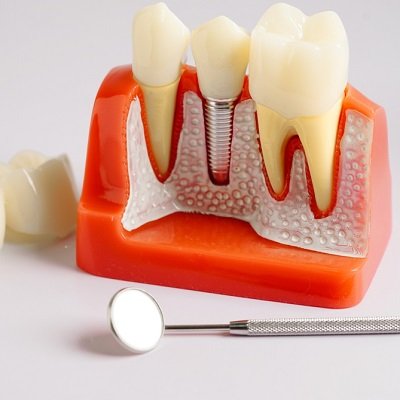
This option is usually paired with getting crowns since the entire infected tooth is extracted from the gums to avoid further infection. Dental implants are metal screws that are drilled into the jaw bone as a replacement for the tooth’s roots. A ceramic crown is placed on top of it that is customized to match your other teeth.

Although there are several metal options available that you can pick from, titanium implants are the best. They do not corrode and merge with the jaw muscle. The recovery from this treatment however is very long and can last from 4 to 6 months.

The lifespan of dental implants can last a lifetime. The crowns might need to be changed every few years but other than that these implants last from 10 to 15 years.

Ceramic Crowns:

Most ceramic or porcelain crowns are used on minimally chipped or damaged teeth. It’s a covering for your tooth and usually requires the tooth to be filed down so that the crown can be glued on top of it.

If your tooth is fully broken then you should get it removed and then get an implant first.

Other than that, ceramic crowns are a great option to consider if there is minimal damage to your pearly whites and they do not require much medical attention. If the damage to the tooth is non-reversible, then the crowns will be paired with implants to help support them.

This dental treatment lasts about 10 years depending on how careful you are with them. If you are not careful enough, there is a 50% chance you might break them before they merge with the jawbone

Root Canal:

This procedure is very similar to getting implants, with the only difference being that the roots are still intact and only the infected parts are removed. Although this is a cheaper option, it is only effective if the tooth has suffered minimal damage. This technique involves removing the infected pulp and roots and filling that cavity with a dental filling. The opening is sealed and you are good to go home. In the case that the infection has spread, it’s best to remove the entire tooth instead of getting this procedure performed.

Root canals are not long-lasting and depending on how bad the infection was, it can last from 6 to 8 months. If the infection is still spreading, it’s best to get the fillings removed and opt for other options.

Dental Fillings:

Lastly, the least invasive and safest option for teeth that have cavities or holes in them is getting them filled. These filings are available in several materials such as gold, silver, ceramic, glass, and even composite fillings. Dental fillings are used in teeth that have little damage and are a temporary solution.

Although the lifespan of this option is not more than 2 or 3 years, it is a great option to consider if you are on a tight budget and cannot afford better dental healthcare.

Get in Touch!

DR Naveed at SKN Cosmetics has performed hundreds of dental procedures on his clients and his services are exceptional. He is a master of his craft and offers the best advice to anyone looking to get treated with him. So why not get a free consultation session with him? Discuss the  5 Dental Procedures for Cracked and Broken Tooth in Islamabad, Pakistan with him during our free consultation session! Sign up today by filling out the form below!

Root Canal Vs. Implant for Cracked Tooth in Islamabad

A chipped tooth is not that much of a big deal if it’s a minor crack. But sometimes it chips a little too much, causing damage to the roots as well. Broken teeth aren’t that much of a big deal, but they can ruin your perfect Smile and make it challenging to chew food. Lucky for you, you can get this little problem of yours treated in Pakistan with ease! There are two options available to get this issue sorted, but which is better? Read on to learn about which option to pick: Root Canal Vs. Implant for Cracked Tooth in Islamabad. 

Why Causes This Breakage? 

Often, when you suffer blunt force trauma to the face, there’s a high chance that if you don’t get your teeth knocked out, you’ll likely crack or chip them. Most of the Time, the cracks or chips are very minor and cause no harm or problem at all. But there are times when this breakage can lead to an infection if it’s severe and, if not treated immediately, can cause a lot of pain. 

As for the back molars, they usually experience breakage due to an infection or decay. This decay usually happens when you have cavities or if old fillings start to rot. 

How To Fix This Problem? 

Generally, if you chip your molars, the dentist will not recommend getting any additional treatment other than removing the decay. Molars have more nerves, so they don’t require getting an implant unless they are completely shattered and beyond repair. 

Since your incisors are thinner than your molars, you should get them treated if they chip or break. Currently, there are two treatments available: Root Canal Vs. Implant for Cracked Tooth in Islamabad. 

Root Canal:

This procedure involves removing infected nerves and pulp tissue around the breakage. The dentist will clear away the damaged tissue and fill the gap. This is to make sure that you have no problem chewing. In the end, he applies sealant to the opening. 

Pros:

1) Original Incisors/Molars Are Not Lost.

One of the main reasons why everyone prefers this treatment is that your original tooth remains intact. You might have to get a crown in order to fix some of the decay, but you don’t lose any of your pearly whites. 

2) It’s Budget-Friendly.

Patients think that getting this procedure done would cost them a lot of money. The truth is that this is one of the more affordable treatments for breakage. IT would cost you around 25,000 PKR to 60,000 PKR to get this procedure done, and it’s mostly covered by your insurance. 

3) It’s Quick.

Another positive factor is that it’s less time-consuming. It will probably require only two appointments, and you will be good to go. 

4) It’s Pain-free! 

This tooth recovery treatment is basically pain-free. Since you will not have to get an extraction done, your gums will heal in little to no time, and you will not have to experience any pain. 

Cons:

1) Damage beyond repair 

Sometimes the incisors cannot be saved no matter what, and getting this therapy would only be a waste of time and money. Some people still insist that they get this procedure done as it is less painful, but it will only make the state of the decay worse. 

Implants:

This procedure involves removing the infected teeth and replacing them with either a single implant or dentures, depending on the damage. This is an invasive treatment, and a titanium “screw” is placed in the extraction site. This procedure is performed under local anesthesia and can take more than two appointments. 

Pros:

1) Your Smile will be perfect. 

Although you will have fake incisors or canines, they cannot be told apart unless closely inspected. 

2) Functionality.

You will be able to enjoy the same functionality as your original pearly whites. You will not experience any problems, and it will feel as if you never got the implants. 

3) Long-Lasting.

This procedure is long-lasting compared to getting any other treatment for decay. This surgery has minimal chances of failing and can last a lifetime. 

Cons:

1) It is Expensive.

This surgery, although very effective, can cost you a lot of money. Depending on where you get treated in the capital, it can cost a whopping 75,000 PKR to 125,000PKR. Unfortunately, this procedure is also not covered by many dental insurance companies, and you will have to pay the amount from your own pocket. 

2) Its Time consuming 

Another problem is that this procedure consumes a lot of time, and you will have to book three or more appointments. This is followed by numerous after-surgery checkups as well. 

3) Long Healing time. 

Since it’s a surgical procedure, you will have to wait a few weeks before fully healing. 

Book Your Consultation:

Considering the pros and cons of both of these processes, the next step is to visit SKN Cosmetics and get yourself treated. Sign up today to book a free consultation session with our dental specialists! 

Which is better, implant or root canal?

Everyone wants their pearly whites to remain intact for as long as they live. But unfortunately, that’s not possible since there are a few factors at play that can cause damage to your ivories. Trauma to the face can damage your teeth, and if it’s blunt force trauma, they can even come flying out.

But that’s not always the case when it comes to tooth damage, as there are cases where the tooth can also get infected and starts decaying. Broken or damaged teeth ruin your perfect smile and can also be a harrowing experience. In such cases, your dentist will give you two options; either to get a root canal or to get an implant. If you are wondering which is better; the implant or the root canal, then this is the blog for you!

Root Canal Therapy:

This endodontic procedure involves treating the pearly whites with dead nerves caused due to the infection that has seeped itself deep into the roots of the tooth. The nerve endings in the teeth can also be damaged due to them going through trauma like a car accident.

When you get this treatment for your teeth, the doctor will mummify the damaged tooth so that it can still be recovered and provide you with a pain-free solution to your painful problem.

How Is It Done?

  • The first thing your operator will do is inject local anesthesia into the gums to numb them.
  • After the numbing agent sets in, the dentist will make a tiny incision near the top of the infected tooth.
  • He will then use specified tools to clear away any infected soft tissue present in the damaged tooth’s root canal and pulp chamber. This will create an opening that will be filled with gutta-percha, a biocompatible material used to fill in root canals. The opening will be sealed off with the help of a dental filling.
  • This is a temporary solution, and after fourteen days it will be removed.
  • However, if it has not healed, the dentist will position a crown on top of it to help restore it.

Dental Implants:

There are some cases where your pearly whites are beyond recovery, and not even a root canal can save them. This is when your doctor will suggest that you get the infected chopper removed and replace it with an artificial implant.

This surgery involves removing the crown and the roots of your teeth and replacing them with an implant made from titanium.

Most of the time, your dentist will not wait for the second appointment to replace the infected tooth as it can get worse.

How Is It Done?

The surgery starts with the doctor injecting a numbing agent into your gum line.

He will wait for the numbing agent to start working and then use a pair of forceps to pull out the infected tooth.

There are some cases where the doctor will use general anesthetics while performing the operation.

In this scenario, he will make an incision in the gum line to remove the tooth and the surrounding bone. This usually happens when the infection has gone way beyond the tooth and has reached the bone.

However, you have to keep in mind that the dental implant in Islamabad will not be available to you immediately. Your mouth has to recover from the surgery, and it can take about three to four months before your gums are ready for the implant.

Some individuals might even have to wait longer depending on how fast their bone heals. In addition to this, it can take up to more than six months before the implant has a crown placed on top. This is because it can take a long time before the implant becomes one with the bone.

Which is better, an implant or root canal?

If you are thinking about which treatment to get and which would be the best option, you first need to determine how much is the damage. Sometimes the damage will not be that bad, and you will insist that your doctor give you an implant.

However, that should not be the case. You should have a consultation session before getting any sort of treatment for your tooth to determine which treatment would work best for you.

If your tooth is slightly damaged, then it is best to get root canal treatment and wrap that tooth up so it can recover on its own. But If your tooth has started to decay and the pain is unbearable, then you should get that tooth extracted and replaced with an implant immediately.

Get Yourself Checked out Today:

IF you are experiencing any pain in your tooth, you should waste no time and get an appointment with SKN Cosmetic’s top dentists to help you with your teeth problem. Please fill out the consultation forms and get in touch with our specialists utterly free of charge!

Root Canal Treatment Cost in Islamabad

A treatment that is medically termed as an endodontic process that involves a sequence of processes, is performed to heal the infected tooth. A procedure is known as a root canal treatment. It mostly happens when people didn’t take care of their teeth and individual tooth get infected with a cavity.

Every tooth has two well defined different sections, one is the crown and the other one is its root. The inner part of the root involves nerves, blood vessels, connective tissues are known as dental pulp. If any section of it gets damaged then root canal treatment is required. If you have understood the procedure then you will definitely want to know Root Canal Treatment Cost in Islamabad Pakistan. This blog post covers all the information related to its cost and other factors.

Cost of the Root Canal:

Root Canal Treatment Cost in Islamabad Pakistan ranges between 10,000 PKR to 15,000 PKR per session. The cost varies depending on how much the problem is severe and how many teeth are infected. The cost will be discussed in the initial session where your technician will examine the teeth and you can get an easily rough idea of the price in this session.

According to SKN cosmetics, we offer reasonable prices and deliver effective outcomes. Teeth are the main source of eating and chewing anything, if your teeth get infected you don’t have to worry about money because teeth are important.

Cost Factors:

After knowing the average cost of the treatment, a few factors can affect the cost of the treatment. These factors are also discussed in the initial sessions where your practitioner will tell you how many teeth need treatment, how many sessions you required and all about other information. These few factors are as following:

  • The Expert Surgeon Fee: When you approach your treatment which is sensitive and you can’t trust the typical practitioner, you will always prefer an expert and skilful surgeon who will treat you effectively. The cost of the treatment will be affected when you chose an experienced surgeon. An experienced surgeon will always have a skilful team who help him/her during the procedure.
  • The Clinic’s Reputation and Location: Another factor which will affect your cost is the same as the above one. You will never choose a low reputable and not famous clinic for your sensitive matter. So always chose a well-known and reputable clinic and this factor has also affected the cost due to the clean and hygienic environment and relaxed atmosphere.
  • Multiple Sessions if Required: When your practitioner will examine your teeth area in the initial session, after that he/she will discuss with you that how many cavities on your teeth have and in how many sessions it will be treated. This factor will also affect your cost because it is performed within 3 to 4 sessions. Moreover, in a few cases, people need multiple treatments with root canaling like teeth whitening, fillings etc.
  • Anaesthesia and Medications: Certainly, your cost will also be affected when you need more anaesthesia during the procedure as compared to the normal one. When you are undergoing multiple teeth treatment to it will take more anaesthesia for numbing the different areas. After that, for preventing any infection after the process, your surgeon will prescribe you pain killers and anti-biotic.

All Summed Up!

So, the Root Canal Treatment Cost in Islamabad Pakistan will be affected due to these factors and these are mentioned for giving a candidate a rough idea of the average cost. Further, if someone wants to know more about cost-related queries then don’t be hesitate and contact SKN cosmetic’s team for more details and helpful information.